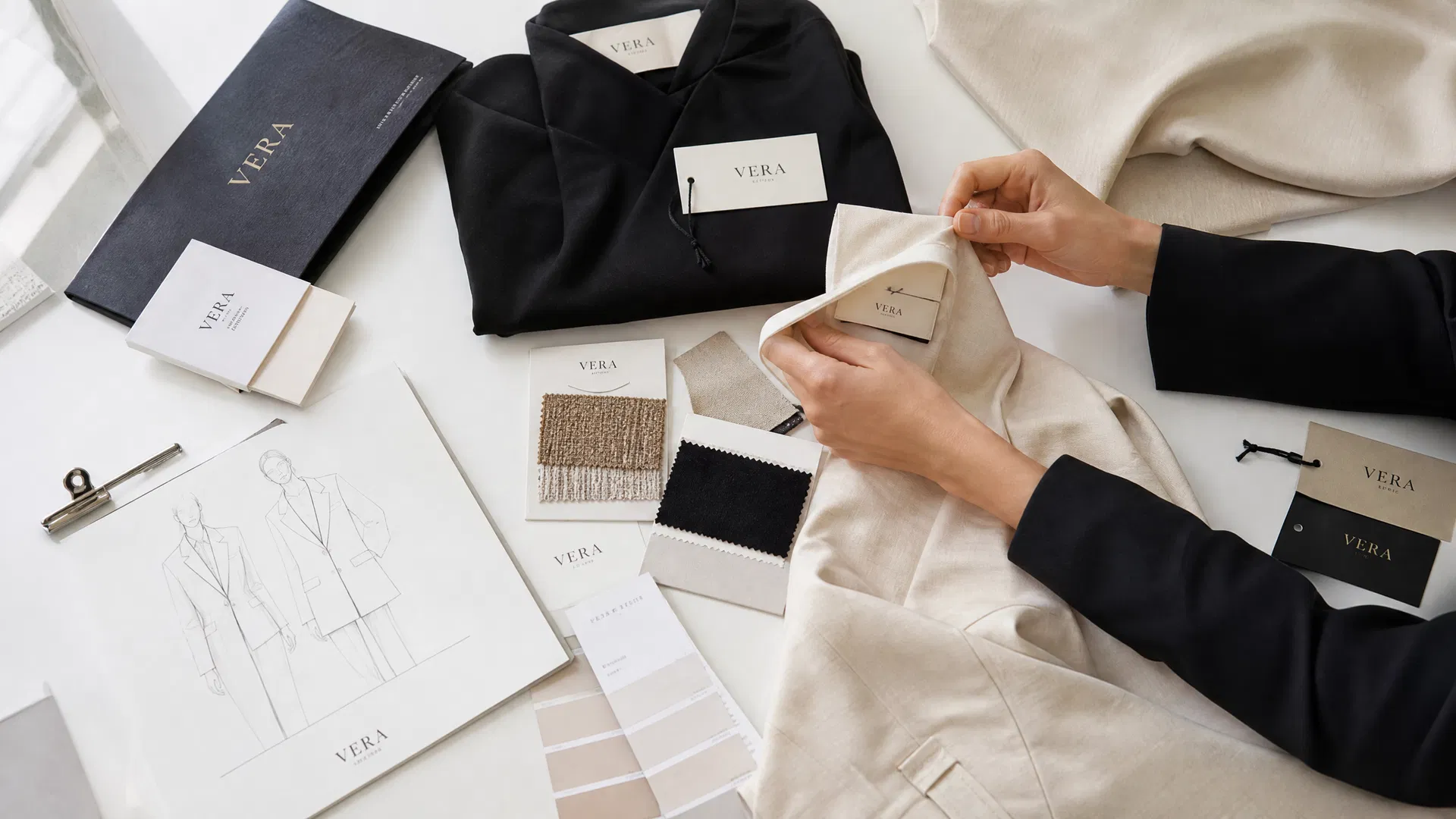
La Chine reste la première destination mondiale pour la production de vêtements OEM, représentant plus de 30 % des exportations mondiales de textiles. Pour les marques de mode — que vous lanciez une startup ou que vous développiez une marque établie — trouver le bon partenaire de fabrication est l'une des décisions les plus déterminantes que vous prendrez. La mauvaise usine peut signifier des délais manqués, une qualité inconstante et du capital gaspillé. La bonne devient un véritable avantage concurrentiel.
Ce guide couvre chaque étape du processus de sélection, de la recherche initiale à l'audit sur site, avec des repères pratiques tirés d'une véritable expérience d'approvisionnement B2B.
Pourquoi la Chine reste la principale destination d'approvisionnement en vêtements OEM
Malgré la hausse des coûts de main-d'œuvre et l'essor du Vietnam, du Bangladesh et de l'Inde comme alternatives, la Chine conserve des avantages structurels difficiles à reproduire. La chaîne d'approvisionnement intégrée du pays — où les usines textiles, les fournisseurs d'accessoires, les teintureries et les usines de confection fonctionnent à quelques heures les unes des autres — permet un prototypage plus rapide, des commandes minimales de tissus plus faibles et des séries de production plus flexibles.
Shenzhen, en particulier, est passée d'un pôle de fabrication à bas coût à un centre de production haut de gamme. Les usines s'y spécialisent dans les vêtements de milieu et haut de gamme pour les marques américaines, européennes et australiennes, avec de fortes compétences dans les costumes sur mesure, les robes, la bonneterie et les vêtements de travail techniques. La proximité de la ville avec Hong Kong simplifie également la logistique et les opérations bancaires internationales.
Étape 1 : Vérifier les accréditations de l'usine
Avant de demander des échantillons ou de négocier les prix, vérifiez que l'usine est une véritable opération de fabrication — et non une société de négoce se faisant passer pour une usine. Demandez les documents suivants :
- Licence commerciale (营业执照) : Confirme que l'entité est légalement enregistrée en Chine. Vérifiez que l'objet social enregistré inclut la fabrication de vêtements.
- Certificat ISO 9001 : Indique un système de gestion de la qualité documenté. Toutes les usines ne le possèdent pas, mais cela témoigne d'une discipline de processus.
- Rapport d’audit indépendant de conformité sociale : Lorsqu’un programme de distributeur ou d’acheteur l’exige, confirmez la norme, le périmètre et les exigences documentaires avant de passer commande.
- Licence d'exportation : Confirme que l'usine est autorisée à exporter des marchandises directement.
Vous pouvez vérifier les licences commerciales chinoises via le système national de publicité sur le crédit des entreprises (国家企业信用信息公示系统). Une usine qui hésite à partager ces documents constitue un signal d'alarme important.
Étape 2 : Évaluer la flexibilité des MOQ
La quantité minimale de commande (MOQ) est l'une des variables plus critiques pour les marques à différents stades de croissance. Les repères de l'industrie varient considérablement selon le type de vêtement et l'échelle de l'usine :
| Type de vêtement | MOQ typique (par couleur) | MOQ faible (adapté aux startups) |
|---|---|---|
| T-shirts / Maillets basiques | 200–500 pcs | 50–100 pcs |
| Robes / Chemisiers | 100–300 pcs | 50 pcs |
| Costumes sur mesure / Blazers | 100–200 pcs | 50 pcs |
| Vêtements d'extérieur / Vestes | 200–500 pcs | 100 pcs |
| Vêtements en maille | 200–500 pcs | 100 pcs |
Pour les marques en phase de démarrage, une usine acceptant de produire 50 à 100 pcs par modèle est essentielle pour tester le marché avant de s'engager sur des stocks importants. Méfiez-vous des usines qui affichent des MOQ extrêmement bas (moins de 30 pcs) sans explication claire — cela cache souvent une faible efficacité de production ou des coûts cachés intégrés dans le prix unitaire.
Étape 3 : Évaluer le processus de prototypage
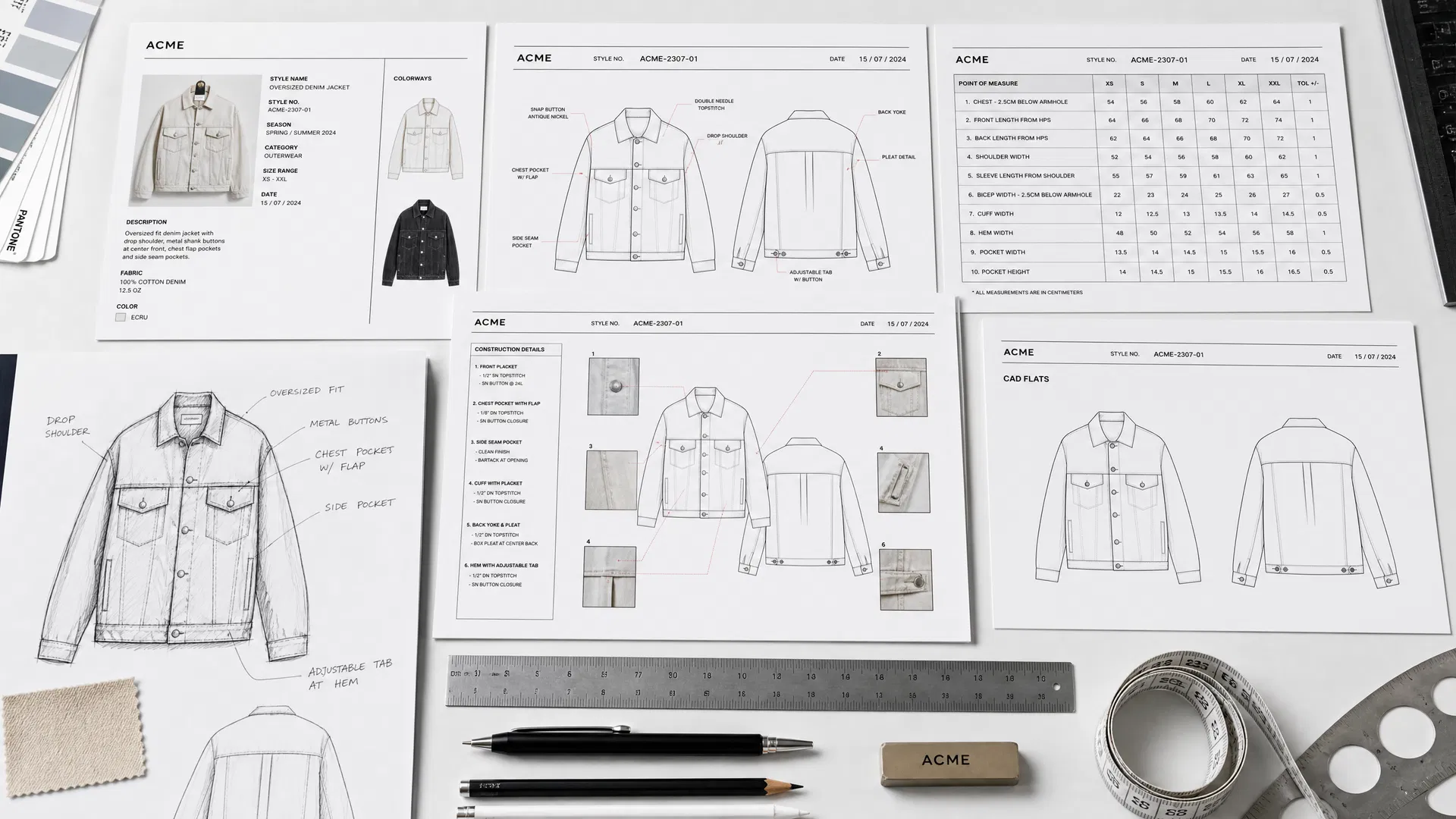
C'est lors de la phase d'échantillonnage que vous découvrez si une usine est réellement capable d'exécuter votre design. Une usine OEM professionnelle doit être en mesure de livrer un premier échantillon dans un délai de 5 à 7 jours ouvrés après réception d'un tech pack complet. Attendez-vous à 2 ou 3 cycles de révision avant qu'un échantillon validé pour la production (PP sample) ne soit approuvé.
Questions clés à poser concernant l'échantillonnage :
- Les frais d'échantillonnage sont-ils remboursables sur les commandes en gros ? (La plupart des usines le proposent.)
- Qui produit l'échantillon — la même ligne qui assurera la production en série ?
- Pouvez-vous visiter l'usine pendant l'échantillonnage pour donner un retour en temps réel ?
- Quels formats de fichiers acceptez-vous pour les tech packs ? (Les formats PDF, AI, DXF sont standard.)
Une usine incapable de produire un premier échantillon soigné en 10 jours, ou qui exige des cycles de révision excessifs pour un design simple, a peu de chances de réussir à grande échelle. Pour en savoir plus sur la préparation de vos fichiers de design, consultez notre guide sur la création d'un tech pack pour la fabrication de vêtements.
Étape 4 : Évaluer les systèmes de contrôle qualité
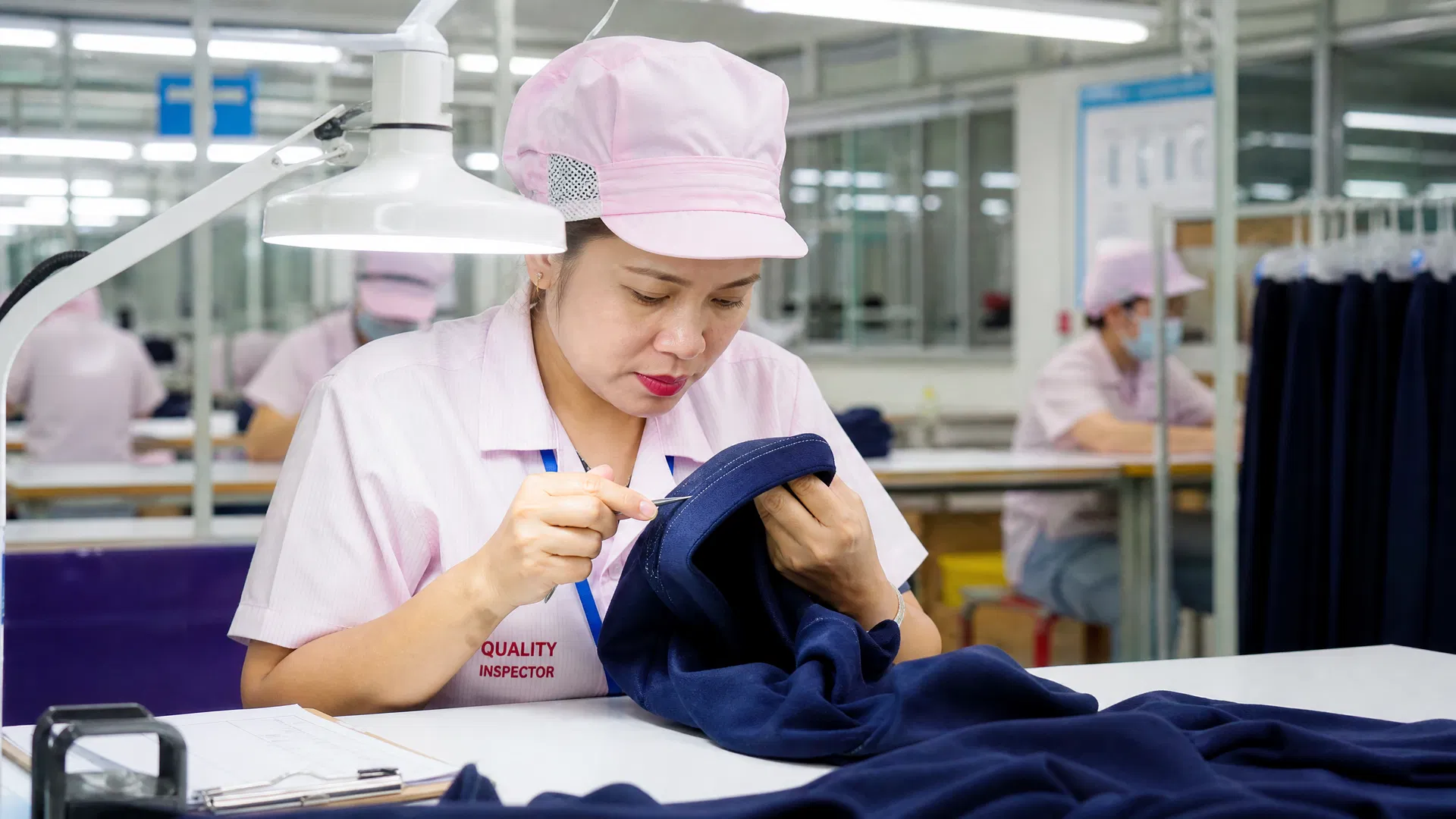
Le contrôle qualité dans les usines OEM professionnelles s'articule autour de trois étapes : l'inspection des matières premières, l'inspection en cours de fabrication (en ligne) pendant la couture, et l'inspection finale avant expédition. La norme de l'industrie pour l'inspection finale est l'AQL 2.5 (Limite de qualité acceptable), ce qui signifie que pour un lot de 1 000 vêtements, un échantillon aléatoire de 80 pièces est inspecté, et le lot est validé si pas plus de 5 défauts majeurs ne sont détectés.
Demandez à l'usine de vous fournir un exemple de rapport de contrôle qualité (QC) d'une commande récente. Un rapport bien structuré comprend la date d'inspection, les détails de la commande, les catégories de défauts (critiques, majeurs, mineurs), le taux de défaut et le résultat (réussite/échec). Les usines incapables de fournir un rapport de QC sur demande ne disposent vraisemblablement pas d'un processus de QC systématique. Pour approfondir votre compréhension des normes d'inspection des vêtements, lisez notre article sur l'explication de l'inspection AQL.
Étape 5 : Évaluer la communication et la gestion des tech packs
La qualité de la communication est un indicateur fort de la qualité de production. Une usine qui répond aux demandes dans les 24 heures, pose des questions de clarification sur votre tech pack et signale de manière proactive les problèmes potentiels avant le début de l'échantillonnage fait preuve d'une rigueur opérationnelle qui se traduit par moins d'erreurs de production.
Testez leur réactivité dès le début : envoyez une demande détaillée contenant des questions spécifiques sur le MOQ, les délais de livraison et l'approvisionnement en tissus. Si la réponse est générique, tardive ou ne répond pas à vos questions précises, considérez cela comme un signal d'alarme. Les meilleures usines attribuent un gestionnaire de compte dédié à chaque marque, offrant un point de contact unique de l'échantillonnage jusqu'à la livraison.
Étape 6 : Liste de contrôle pour l'audit d'usine
Si votre volume de commande le justifie — généralement au-dessus de 500 pcs par modèle —, un audit d'usine sur site est fortement recommandé avant de passer votre première commande en gros. Principaux domaines à évaluer :
- Atelier de production : Est-il organisé et propre ? Les ouvriers suivent-ils des processus cohérents ?
- Parc de machines : Les machines sont-elles bien entretenues et adaptées à votre type de vêtement ? (Les costumes sur mesure nécessitent des équipements différents des T-shirts basiques.)
- Poste de contrôle qualité : Y a-t-il une zone de QC dédiée avec un éclairage adéquat et des outils de mesure ?
- Salle d'échantillonnage : L'usine dispose-t-elle d'un atelier de patronage et d'une équipe d'échantillonnage en interne ?
- Capacité de main-d'œuvre : Combien de lignes de production fonctionnent ? Quel est le rendement quotidien par ligne ?
- Sous-traitance : L'usine sous-traite-t-elle une partie de la production ? Si oui, à qui, et pouvez-vous auditer ces installations ?
Signaux d'alarme à éviter
L'expérience en matière d'approvisionnement en vêtements B2B révèle des schémas constants parmi les usines problématiques. Évitez tout fournisseur présentant les caractéristiques suivantes :
- Refuse de fournir une licence commerciale ou un rapport d'audit
- Ne peut pas produire d'échantillon avant le paiement de la commande en gros
- Propose des prix nettement inférieurs au taux du marché sans explication
- Ne dispose d'aucun processus de QC dédié ou ne peut pas partager d'exemple de rapport de QC
- Communique uniquement par l'intermédiaire d'un intermédiaire de vente sans contact direct avec l'usine
- Exige le paiement intégral à l'avance avant l'échantillonnage
- Ne peut fournir de références de clients de marques internationales existantes
Pourquoi Shenzhen se démarque
Parmi les régions de fabrication chinoises, Shenzhen offre une combinaison unique de profondeur de chaîne d'approvisionnement et de sophistication à l'exportation. Les usines de la ville servent des marques internationales depuis plus de 30 ans, ce qui signifie que les équipes de production ont l'expérience de l'interprétation des normes de taille occidentales, de la gestion des documents logistiques internationaux et de la communication en anglais. La proximité des marchés de tissus de Guangzhou et de l'infrastructure logistique de Hong Kong réduit encore les délais et simplifie le traitement des paiements pour les acheteurs étrangers.
Pour les marques de milieu et haut de gamme — en particulier celles qui produisent des vêtements sur mesure, des robes et des vêtements d'extérieur structurés — les usines de Shenzhen surpassent systématiquement les régions à bas coût en matière de qualité de construction et de normes de finition.
Conclusion
La sélection du bon fabricant de vêtements OEM en Chine nécessite une due diligence systématique en matière d'accréditations, de capacité d'échantillonnage, de systèmes qualité et de qualité de communication. Le processus prend du temps, mais l'investissement s'avère payant sous la forme d'un partenariat de production capable de se développer de manière fiable avec votre marque.
Chez Chanddo Apparel, nous travaillons exclusivement avec des marques internationales recherchant une production OEM et ODM haut de gamme à Shenzhen. Notre usine détient la certification ISO 9001, applique un processus de contrôle qualité en 3 étapes et accepte des MOQ à partir de 50 pcs par modèle. Contactez-nous pour un devis gratuit — nous répondons sous 24 heures.