Prepare the brief before requesting a sample
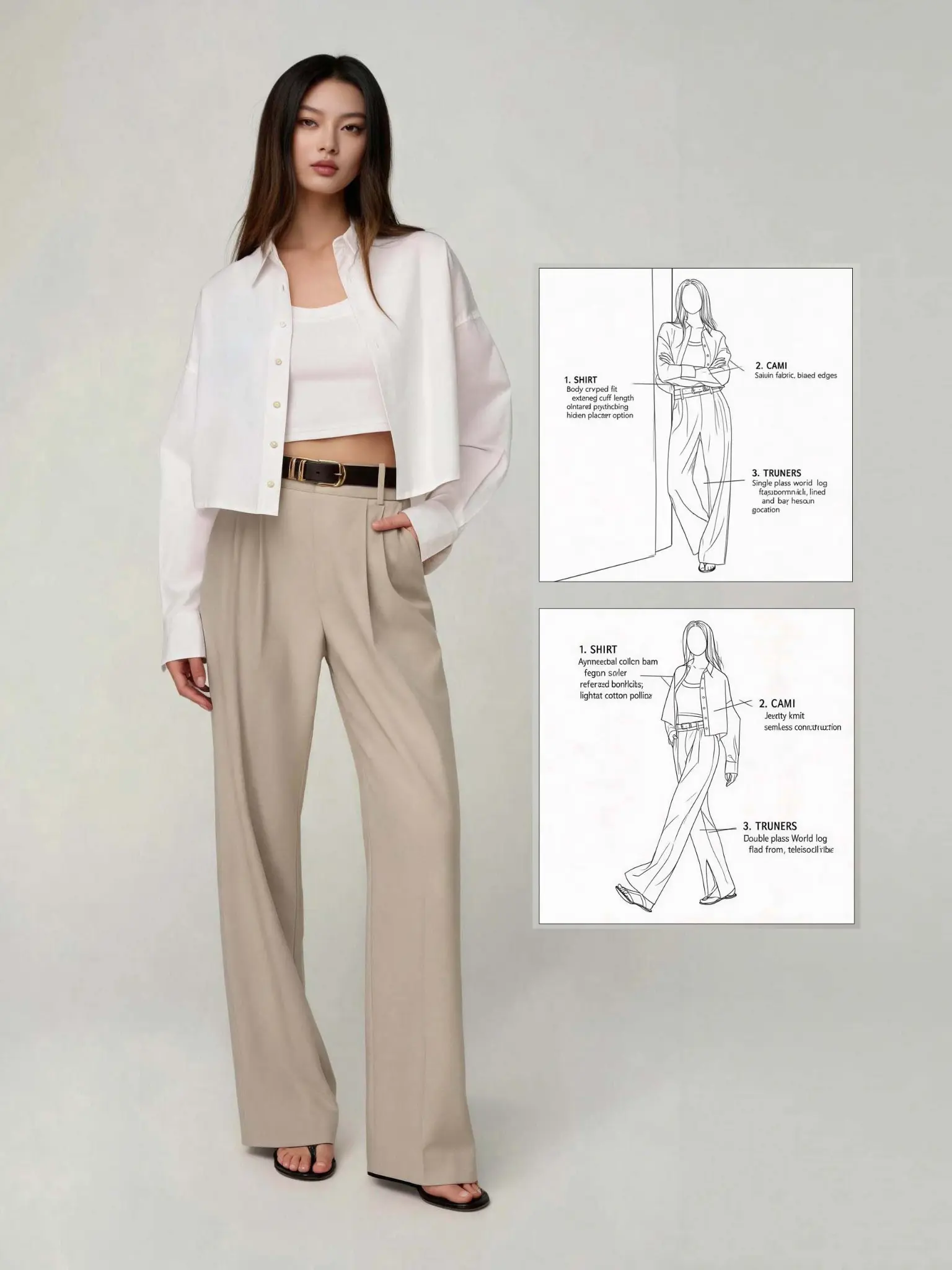
Define the garment category, intended customer, target market and planned quantity by style, colour and size. Include reference images and identify which details are fixed and which need development. An OEM project generally starts from your specifications; an ODM brief asks the manufacturer to help develop the product direction. Confirm that scope in writing.
Agree the tech pack, materials and sample scope
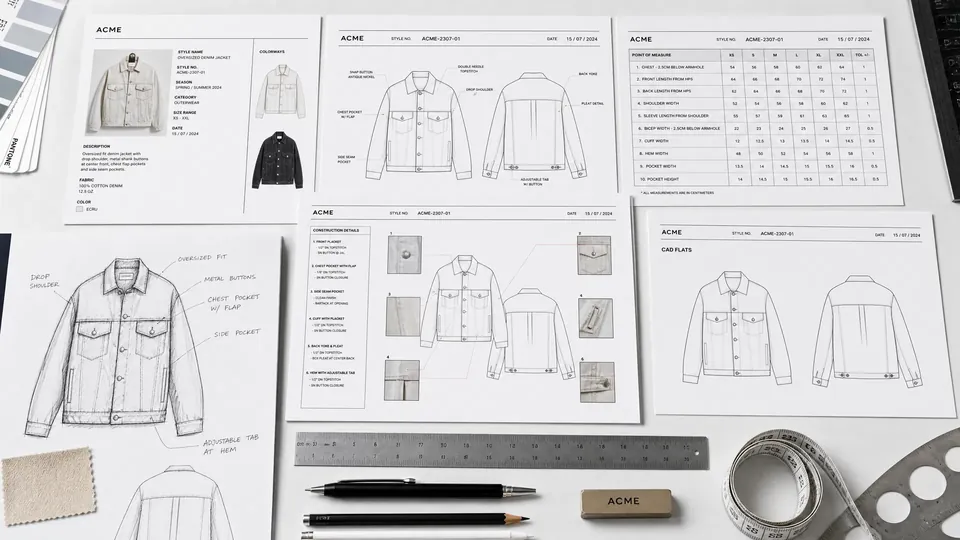
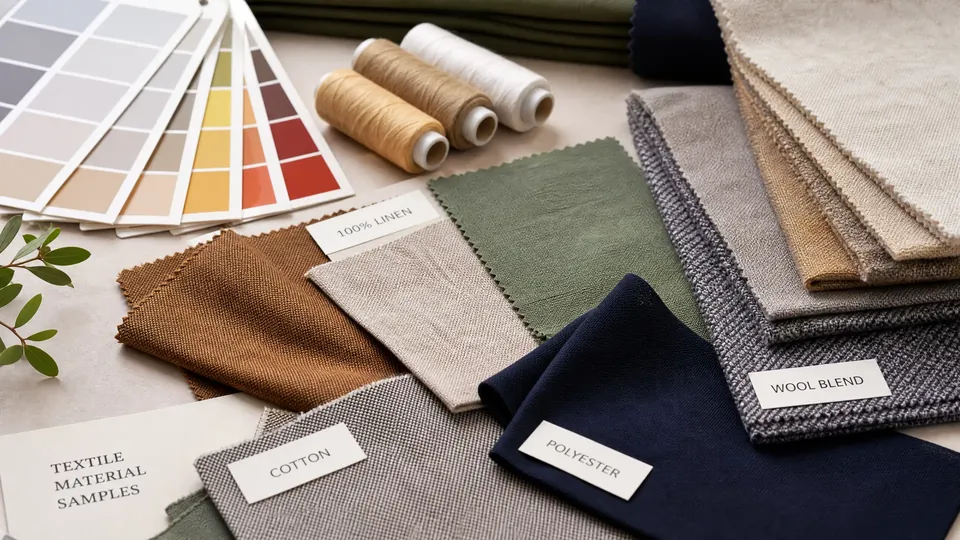
A useful tech pack records measurements, tolerances, construction, artwork placement, trims and labelling requirements. Ask whether the first sample uses the intended bulk fabric or a substitute. Substitutes can help assess construction, but they cannot establish the final drape, shrinkage or colour. Confirm sample charges, revision scope and an estimated schedule before work begins.
Review fit and construction systematically
Check the sample against the agreed measurement chart and intended fit. Record photos, measured differences and proposed corrections in one version-controlled comment sheet. Separate fit changes from design changes so the factory can identify the next revision. A size set may be needed to review grading; agree which sizes require physical approval.
Approve a reference for bulk production
Confirm the approved fabric, colour standard, trims, decoration and labels as well as the garment itself. Keep a dated approval record and retain a reference sample. If any component changes after approval, assess its effect on fit, appearance and testing before authorising production. A sample approval does not replace agreed production inspections.
Build the sampling decisions into the purchase order
Record the final specification version, unresolved points, quantities, inspection criteria and shipping requirements before bulk materials are committed. For Australia, France and other destination markets, identify the applicable product and labelling requirements with your importer or adviser rather than assuming one specification fits every country.