Separate garment MOQ from material minimums
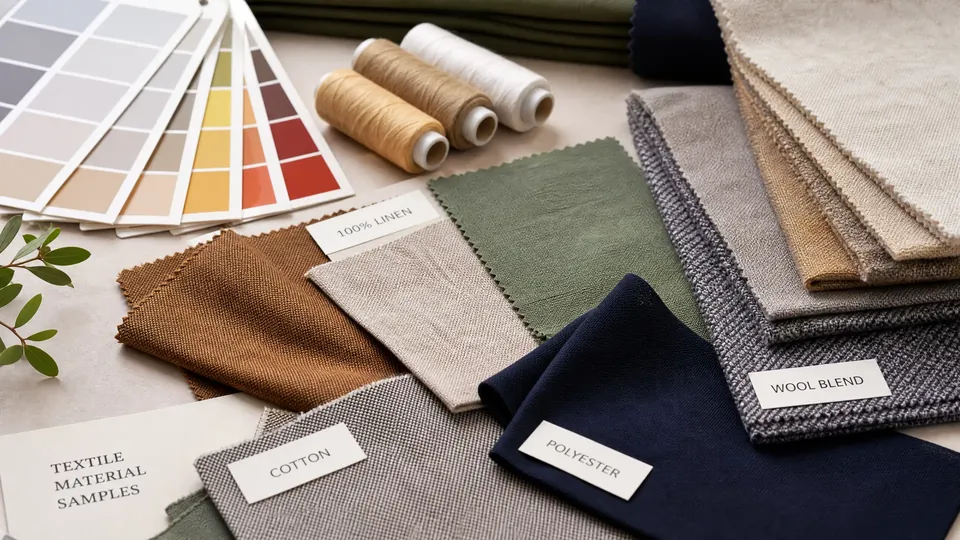
A quoted minimum may apply to a style, a colour, a fabric order or an entire purchase order. Ask the manufacturer to define each basis. Custom dyeing, knitting, trims and labels may introduce separate minimums. A lower sewing quantity does not automatically reduce the upstream fabric commitment.
Build a quantity plan by style, colour and size
Prepare a simple matrix that shows expected units per combination. Explain which elements can be shared across the range, such as a common fabric or label. Ask whether consolidating colours or using an available fabric can make the project workable. The manufacturer must confirm feasibility; do not assume mixed sizes and mixed styles count in the same way.
Compare the full commercial scope
Request quotes against the same specification, material, size breakdown and delivery terms. Compare sample costs, development charges, testing, labels, packaging, inspections and freight as well as unit price. For custom apparel wholesale for startup brands, the relevant question is the total commitment and replenishment plan, not only the lowest advertised price.
Review sampling before committing to stock
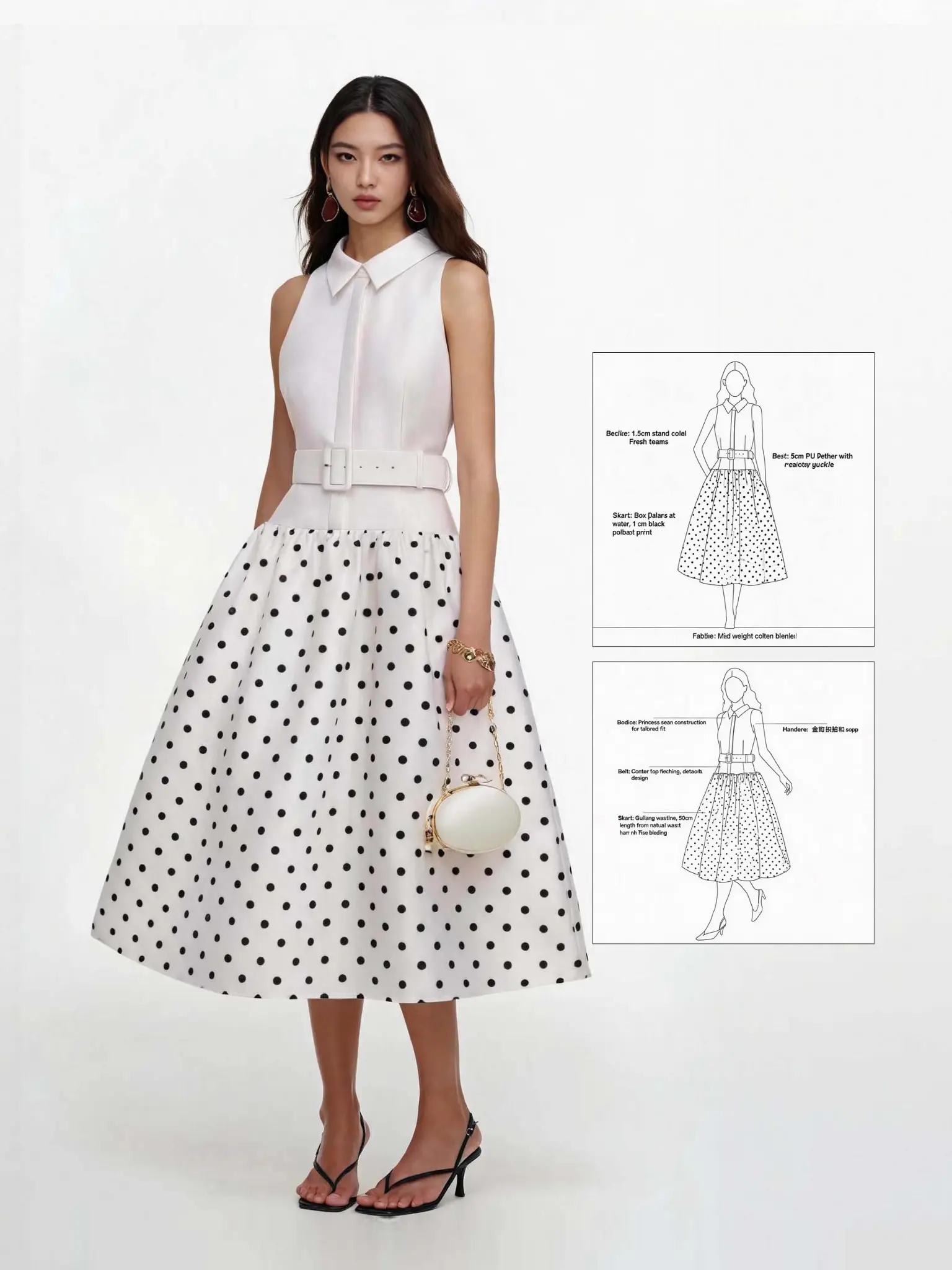
Evaluate fit, fabric and construction before confirming bulk production. Record approved specifications and review the risks of changing fabrics or trims on a repeat order. A first order can test your supply process, but it does not guarantee demand or establish a future lead time. Confirm reorder conditions separately.
Send an RFQ the factory can assess
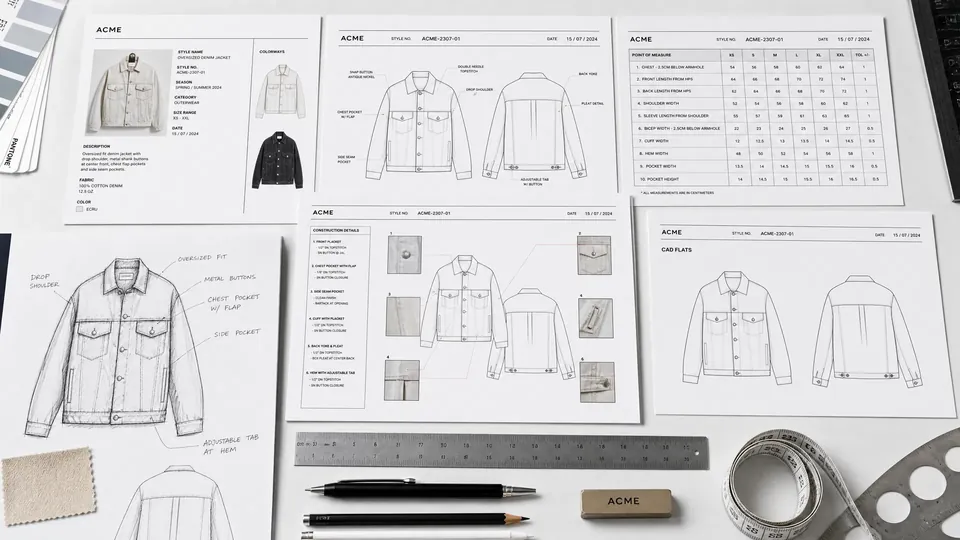
Provide garment references or a tech pack, quantities, size range, destination market and target delivery window. Identify your target budget and any flexibility in material or colour. Chanddo’s published minimum is a starting point for discussion; the applicable quantity, price and timing must be confirmed for the actual project.