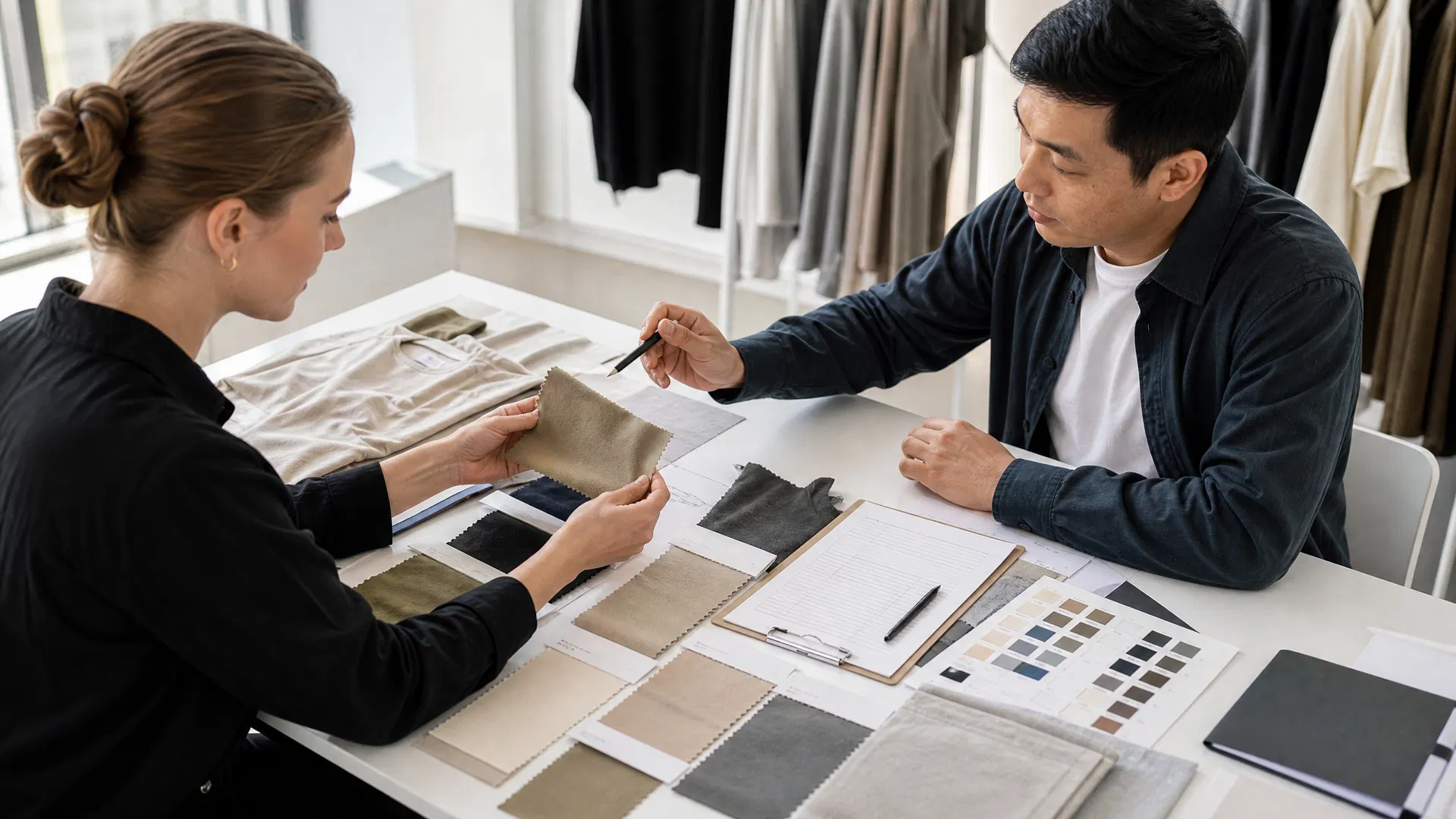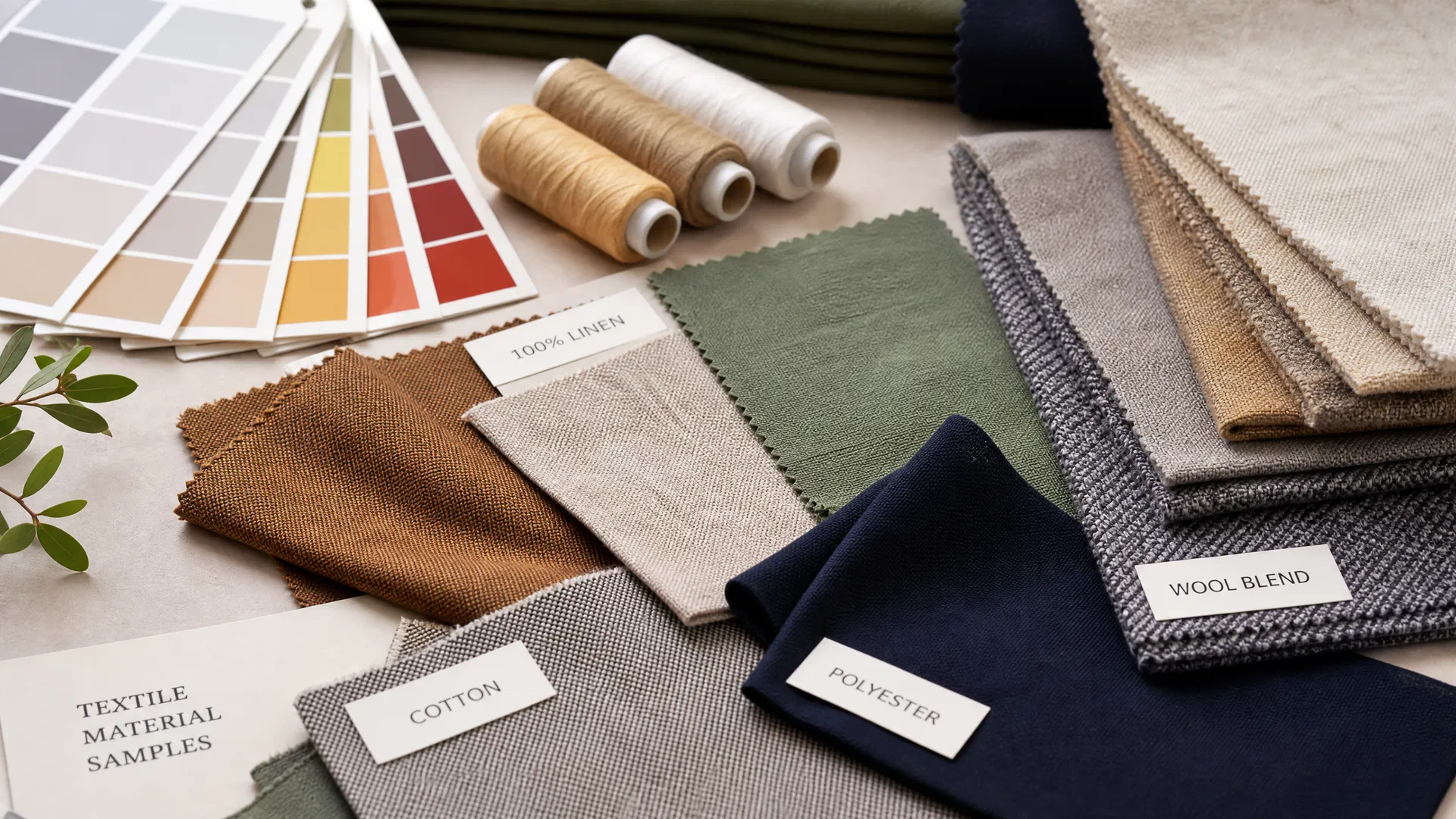
Private-Label-Kleidung hat sich zu einer der effektivsten Strategien für Mode-Entrepreneure und etablierte Marken gleichermaßen entwickelt. Durch die Partnerschaft mit einer OEM-Fabrik zur Produktion von Kleidungsstücken unter Ihrer eigenen Markenidentität erhalten Sie die volle Kontrolle über Design, Qualität und Preisgestaltung – ganz ohne die Kapitalinvestition für den Besitz einer eigenen Produktionsstätte. Im Jahr 2026 ist das Private-Label-Modell zugänglicher denn je, da Fabriken niedrigere MOQs akzeptieren und umfassende Dienstleistungen von der Stoffbeschaffung bis hin zur gebrandeten Verpackung anbieten.
Dieser Leitfaden erläutert jede Phase des Private-Label-Prozesses, vom ersten Konzept bis hin zur verkaufsfertigen Bestandsware.
Private Label vs. White Label vs. OEM vs. ODM: Klärung der Begriffe
Diese vier Begriffe werden oft synonym verwendet, beschreiben jedoch unterschiedliche Fertigungsbeziehungen:
| Modell | Wer entwirft | Wem gehört das Design | Branding |
|---|---|---|---|
| White Label | Fabrik | Fabrik | Ihre Marke auf dem Design der Fabrik |
| Private Label | Marke (mit Unterstützung der Fabrik) | Marke | Ihre Marke, Ihr Design |
| OEM | Marke | Marke | Ihre Marke, Ihre Spezifikation |
| ODM | Fabrik (nach Markenbriefing) | Geteilt oder Marke | Ihre Marke auf von der Fabrik entwickeltem Design |
Für die meisten Mode-Startups sind Private Label und ODM die praktischsten Einstiegspunkte. White Label erfordert minimale Investitionen, bietet jedoch keine Differenzierung. OEM erfordert ein vollständiges Tech Pack, was im Vorfeld mehr Designkompetenz voraussetzt.
Vorteile für Mode-Startups und DTC-Marken
Das Private-Label-Modell bietet gegenüber dem Großeinkauf (Wholesale) oder dem Weiterverkauf bestehender Marken mehrere strukturelle Vorteile:
- Margenkontrolle: Der Einkauf zu Fabrikkosten und der Verkauf zum Einzelhandelspreis erzielen typischerweise Bruttomargen von 60–80 %, verglichen mit 30–40 % beim Großhandels-Weiterverkauf.
- Markendifferenzierung: Ihre Produkte sind exklusiv für Ihre Marke, wodurch direkte Preisvergleiche mit Mitbewerbern, die identische Artikel verkaufen, verhindert werden.
- Qualitätskontrolle: Sie legen die Spezifikationen fest und kontrollieren somit das Ergebnis – Stoffgewicht, Verarbeitung, Passform und Finish.
- Skalierbarkeit: Sobald Ihre Produktionsbeziehung etabliert ist, sind Nachbestellungen und Skalierungen unkompliziert.
Der Schritt-für-Schritt-Prozess für Private Label
1. Design-Entwicklung
Beginnen Sie mit einem klaren Design-Briefing: Silhouette, Stoffkategorie, Zielpreispunkt und wichtige Konstruktionsdetails. Wenn Sie über einen starken Design-Hintergrund verfügen, können Sie technische Skizzen selbst erstellen. Wenn nicht, kann ein freiberuflicher Modedesigner oder das ODM-Team Ihrer OEM-Fabrik Designs anhand von Moodboards oder Referenzbildern entwickeln. Hilfestellungen zur Vorbereitung Ihrer Designdateien für die Produktion finden Sie in unserem Tech-Pack-Leitfaden.
2. Tech-Pack-Vorbereitung
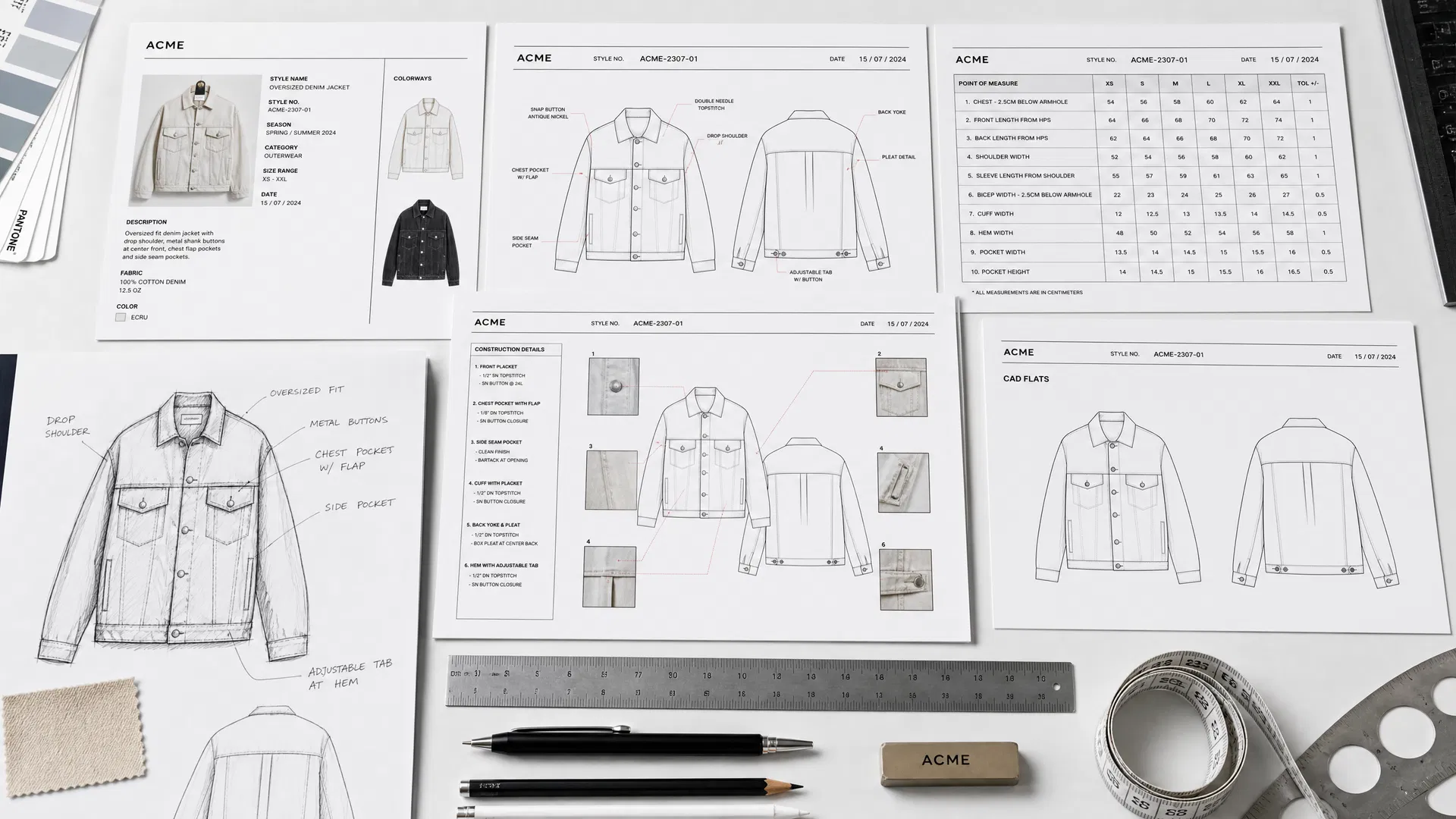
Ein Tech Pack ist der technische Bauplan für Ihr Kleidungsstück – das Dokument, das Ihre Fabrik zur Herstellung von Mustern und Großbestellungen verwendet. Es umfasst Flachskizzen, eine Maßtabelle, Stückliste (BOM), Konstruktionshinweise und Farbspezifikationen. Ein vollständiges, präzises Tech Pack ist der wichtigste Einzelaspekt, um ein korrektes Erstmuster zu erhalten.
3. Bemusterung (Sampling)
Sobald Ihr Tech Pack eingereicht ist, produziert die Fabrik innerhalb von 5–7 Tagen ein Erstmuster (Proto-Muster). Prüfen Sie es sorgfältig anhand Ihres Spezifikationsblatts, geben Sie detailliertes Revisionsfeedback und genehmigen Sie ein finales produktionsreifes Muster (PP-Muster), bevor Sie die Massenproduktion freigeben. Planen Sie 2–3 Revisionsrunden ein.
4. Massenproduktion
Nach der Genehmigung des PP-Musters beginnt die Massenproduktion. Die Vorlaufzeiten (Lead Times) für Standardkleidungsstücke betragen 15–25 Tage ab Produktionsstart. Komplexere Kleidungsstücke – maßgeschneiderte Anzüge, strukturierte Oberbekleidung – können 25–35 Tage erfordern. Bestätigen Sie den Produktionsplan schriftlich und fordern Sie zur Mitte der Produktion Inline-QC-Fotos an.
5. Branding und Etikettierung
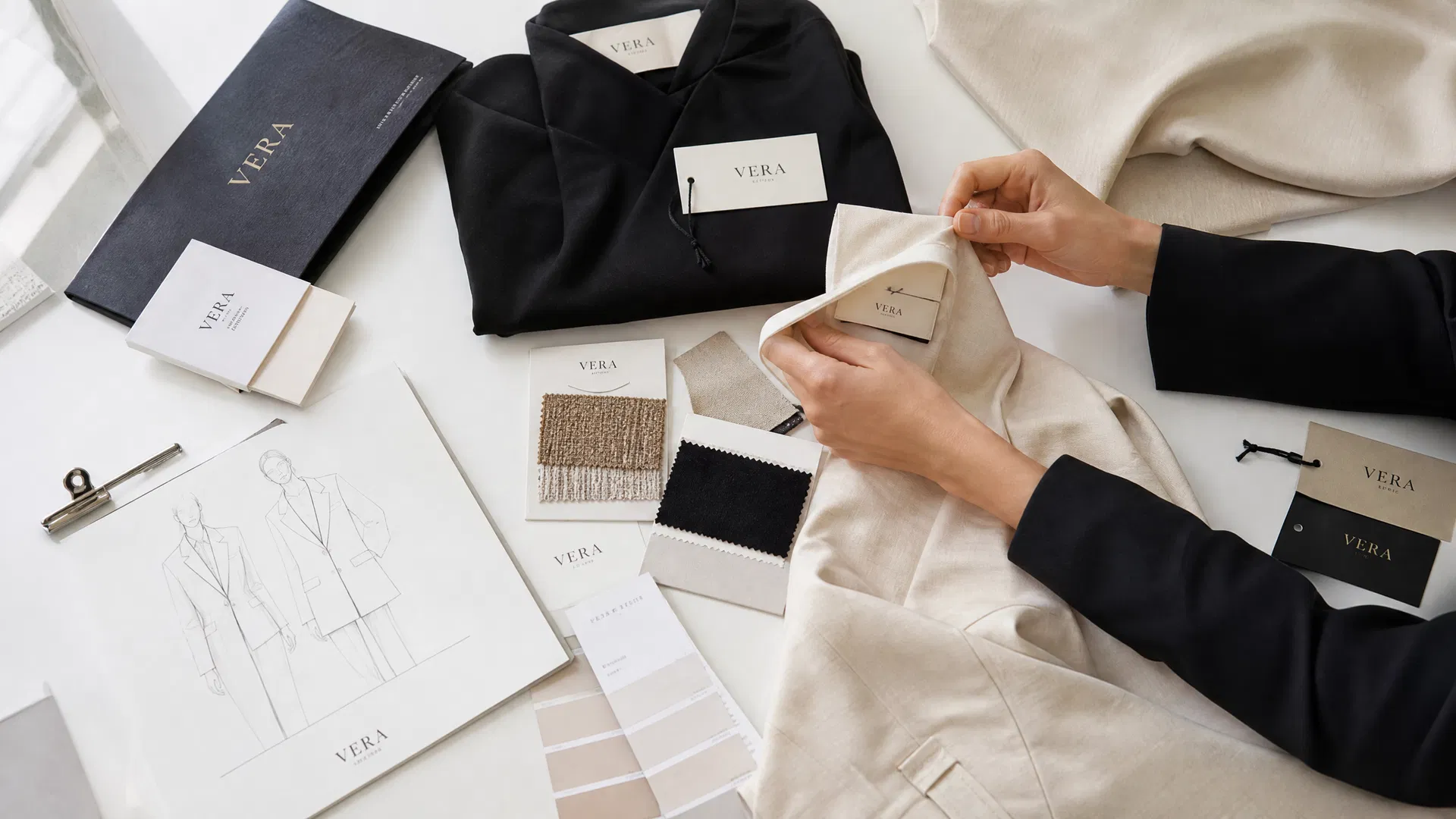
Ihre Private-Label-Identität drückt sich durch mehrere Berührungspunkte (Touchpoints) am fertigen Kleidungsstück aus. Jedes davon erfordert Vorbereitung und Vorlaufzeit.
Anforderungen an Etiketten und Anhänger (Labels and Tags)
Für in den USA und der EU verkaufte Kleidungsstücke sind folgende Etiketten gesetzlich vorgeschrieben oder dringend empfohlen:
| Etikettentyp | Erforderlicher Inhalt | Vorschrift |
|---|---|---|
| Pflegeetikett (Care Label) | Wasch-, Trocknungs-, Bügel-, Bleich- und Chemisch-Reinigungssymbole | USA: FTC; EU: EN ISO 3758 |
| Faserzusammensetzung (Fiber Content Label) | Prozentualer Anteil jeder Faser nach Gewicht | USA: Textile Fiber Products Identification Act |
| Ursprungsland (Country of Origin) | "Made in China" oder gleichwertig | US Customs; EU-Verordnung 1007/2011 |
| Größenetikett (Size Label) | Größenangabe (S/M/L oder numerisch) | Markenstandard |
| Markenetikett (Brand Label) | Markenname / Logo | Markenstandard |
Etiketten sind typischerweise gewebt (für Hauptmarkenetiketten), gedruckt (für Pflege-/Inhaltsstoffetiketten) oder thermotransferiert. Ihre Fabrik kann alle Etikettentypen beschaffen und produzieren – stellen Sie Ihre Markengrafiken im Vektorformat (AI oder EPS) und Ihre Etikettenspezifikationen mindestens 2 Wochen vor Produktionsbeginn bereit.
Verpackungsoptionen
Die Verpackung ist ein bedeutender Marken-Touchpoint, insbesondere für DTC-Marken, die direkt an Verbraucher versenden. Zu den Standardoptionen gehören:
- Polybeutel (Poly Bags): Standardmäßiger Schutz für Kleidungsstücke im Groß- und Einzelhandel. Kann mit Ihrem Markenlogo bedruckt werden.
- Hangtags (Anhänger): Mit einer Nadel oder Kordel am Kleidungsstück befestigt; vermitteln Markengeschichte, Preis und Pflegehinweise.
- Kundenspezifische Versandkartons (Mailer Boxes): Für DTC-Sendungen wertet eine gebrandete Box das Unboxing-Erlebnis erheblich auf. Erfordert 3–4 Wochen Vorlaufzeit für den individuellen Druck.
- Seidenpapier und Schleifenband: Günstige Ergänzungen, die die Premium-Markenpositionierung unterstützen.
Typische Kostenstruktur
Die Stückkosten variieren je nach Komplexität des Kleidungsstücks und Bestellvolumen erheblich. Die folgenden Spannen sind richtweisend für die OEM-Produktion in Shenzhen:
| Kleidungsstück-Typ | FOB-Stückkosten (100–300 Stk.) | FOB-Stückkosten (500+ Stk.) |
|---|---|---|
| Basic-T-Shirt | $4–8 | $3–6 |
| Kleid (gewebt) | $12–25 | $9–18 |
| Blazer / Anzugjacke | $35–65 | $25–50 |
| Knitwear (Pullover) | $15–30 | $12–22 |
| Oberbekleidung / Mantel | $45–90 | $35–70 |
Dies sind FOB-Preise (Free on Board) – sie beinhalten weder Versand, Einfuhrzölle noch lokale Vertriebskosten. Bei US-Importen aus China variieren die Zollsätze je nach HS-Code; konsultieren Sie einen Zollmakler für genaue Zollberechnungen.
Mindestbestellmengen (MOQs) und Verhandlung
Die meisten Fabriken in Shenzhen akzeptieren MOQs von 50–200 Stück pro Stil für Private-Label-Bestellungen. Um niedrigere MOQs auszuhandeln, sollten Sie Ihre Bestellung über mehrere Stile bei derselben Fabrik konsolidieren, sich zu einem Nachbestellungszeitplan verpflichten oder für die erste Bestellung einen etwas höheren Stückpreis akzeptieren. Fabriken sind im Allgemeinen bereit, niedrigere MOQs für Neukunden unterzubringen, die ernsthafte Absichten und professionelle Vorbereitung zeigen (d. h. ein vollständiges Tech Pack und ein klares Markenbriefing).
Rechtliche Aspekte
Bevor Sie eine Private-Label-Marke auf den Markt bringen, sollten Sie die folgenden rechtlichen Anforderungen berücksichtigen:
- Markenregistrierung: Registrieren Sie Ihren Markennamen und Ihr Logo in Ihren Zielmärkten vor Produktionsbeginn. Der US-Markenantragsprozess dauert 8–12 Monate; die EU-Registrierung dauert 4–6 Monate.
- REACH-Konformität (EU): In der EU verkaufte Kleidungsstücke müssen den REACH-Vorschriften zur Beschränkung gefährlicher Stoffe entsprechen. Fordern Sie einen REACH-Prüfbericht von Ihrer Fabrik an oder veranlassen Sie Tests durch Dritte.
- CPSIA (USA, Kinderbekleidung): In den USA verkaufte Kinderbekleidung muss dem Consumer Product Safety Improvement Act entsprechen, der Blei- und Phthalattests vorschreibt.
- FTC-Textilregeln (USA): Fasergehalt und Pflegekennzeichnung sind für in den USA verkaufte Kleidungsstücke gesetzlich vorgeschrieben.
Launch-Zeitplan: Vom Konzept bis zur Lieferung
Ein realistischer Zeitplan für eine erste Private-Label-Bestellung unter der Annahme eines vollständigen Tech Packs zu Beginn:
| Phase | Dauer | Kumuliert |
|---|---|---|
| Tech-Pack-Vorbereitung | 1–2 Wochen | Woche 2 |
| Erstmuster (First Sample) | 5–7 Tage | Woche 3 |
| Musterüberarbeitungen (2 Runden) | 2 Wochen | Woche 5 |
| PP-Muster-Freigabe | 3–5 Tage | Woche 6 |
| Massenproduktion | 15–25 Tage | Woche 9–10 |
| QC-Inspektion | 1–2 Tage | Woche 10 |
| Versand (Luftfracht, USA) | 5–7 Tage | Woche 11 |
Planen Sie für eine Erstbestellung mindestens 10–12 Wochen von der Tech-Pack-Einreichung bis zum Wareneingang im Lager ein. Erfahrene Marken mit etablierten Fabrikbeziehungen können dies auf 8–10 Wochen verkürzen.
Starten Sie Ihr Private Label mit Chanddo
Chanddo Apparel ist auf Private-Label- sowie OEM/ODM-Produktion für US-, EU- und australische Marken spezialisiert. Wir bieten MOQs ab 50 Stück pro Stil, 5–7 Tage Bemusterung und umfassenden Branding-Support einschließlich gewebter Etiketten, Hangtags und kundenspezifischer Verpackungen. Unsere Anlage in Shenzhen produziert in 8 Bekleidungskategorien – von maßgeschneiderten Anzügen bis hin zu Strickwaren.
Kontaktieren Sie uns für ein kostenloses Angebot und erzählen Sie uns von Ihrem Projekt. Wir antworten innerhalb von 24 Stunden, montags bis samstags.